
-
Overview
Predictive Analytics in ITSM is the practice of using historical service data, machine learning, and statistical models to anticipate ticket volumes, identify SLA risks, recommend next actions, and prevent incidents before they impact users.
-
What Is Predictive Analytics in ITSM?
In an IT service environment, predictive analytics looks at patterns across incidents, requests, changes, assets, and user behavior to forecast what is likely to happen next. It guides agents and managers with early warnings, capacity plans, and recommendations that reduce backlog and improve service quality. Typical outputs include surge predictions, likely category or resolver group, and probability of breach for open tickets.
-
How Does Predictive Analytics in ITSM Work?
Predictive engines learn from your historical tickets, knowledge articles, CMDB relationships, and resolution outcomes. Models score new records and trigger actions that improve flow: routing to the best team, recommending knowledge, or launching an automation that fulfills a routine request. Feedback loops refine accuracy so the system gets smarter with every interaction.
- Forecasting and capacity: Anticipate ticket spikes by channel or category, align staffing, and adjust SLAs.
- Proactive quality: Flag change risks, surface similar incidents, and suggest proven fixes that match context.
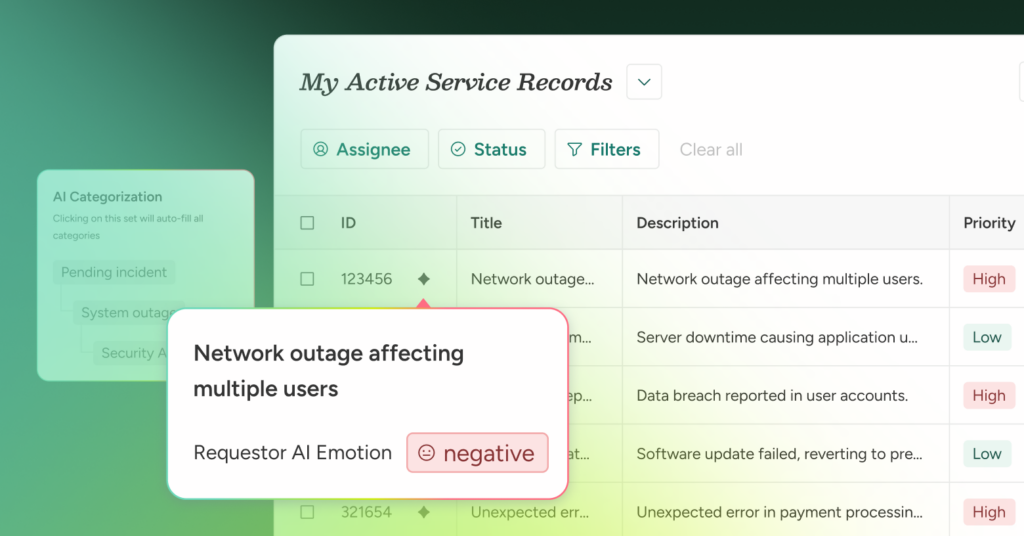
- Next best action: Recommend steps that have historically resolved similar issues, then measure lift in FCR and MTTR.
- Automation handoff: When confidence is high, predictions can hand off to orchestrations that execute safely and consistently. See how orchestration connects predictions to action in the SysAid Automations overview.
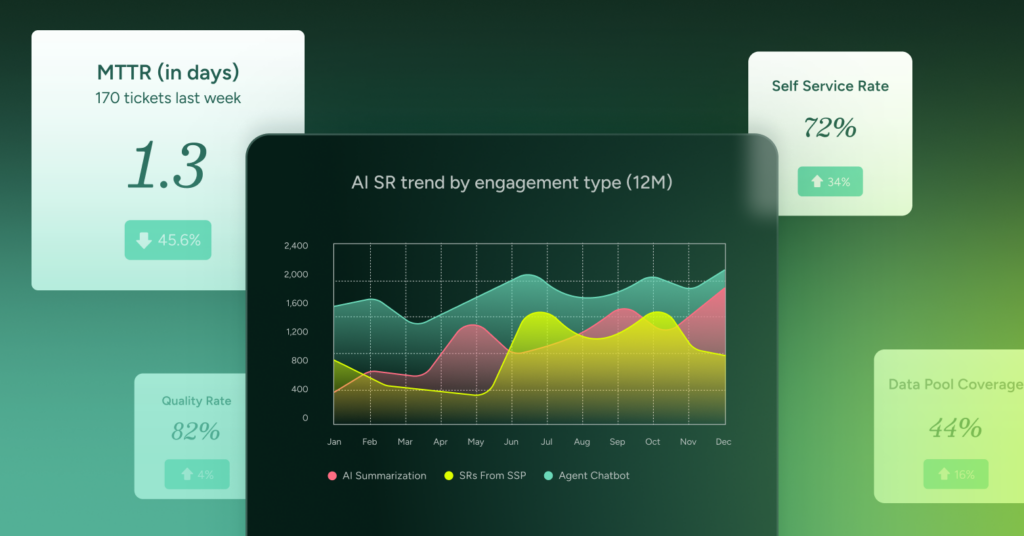
- From insight to dashboard: Turn predictions into decisions with drill downs and trendlines. Explore reporting in SysAid Reporting and Analytics.
- Buyer question: What pilot scope makes sense given our data readiness, a single high volume category or a broader rollout?
-
Why Use Predictive Analytics in ITSM and Why It Matters
Predictive analytics increases agent capacity, improves SLA attainment, and raises employee satisfaction by resolving issues earlier and faster. It reduces firefighting, focuses effort where risk is highest, and standardizes quality through repeatable recommendations. Leaders gain visibility into forecasted demand and automation opportunities, which supports planning and budget control.
-
How to Evaluate Predictive Analytics in ITSM
Estimate the return over the first 6 to 12 months by baselining handle time, escalation rate, and SLA penalties, then model the lift from earlier detection and faster routing. Track the same KPIs after go live so improvements are attributable to predictions rather than seasonality.
Connect insights to action by tying high confidence predictions to your automation layer so approved steps run safely and are fully auditable. In SysAid, AI Agents can execute those steps and log every action for review.
Set clear guardrails from day one. Define access controls, choose data retention policies, monitor model drift, and version each model change with a short rationale to keep quality predictable and audits straightforward. -
SysAid’s Solution for Predictive Analytics in ITSM
SysAid brings predictive insight together with execution. Recommendations appear where agents work, while automations and AI agents can take action when policies allow. You get analytics for trends and outcomes, guardrails for quality and security, and a practical path from insights to impact. If you want to experience the platform hands on, you can explore a free trial.